
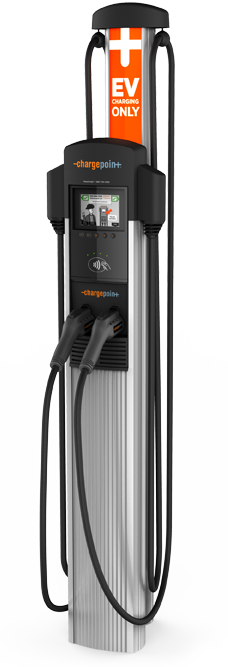
Level 2 charging stations are located throughout communities. Sometimes retail businesses provide charging for free to customers.
Battery electric cars usually recharge at a rate of 20 miles of range per hour of charge. Plug-in Hybrid cars usually
charge at about 10 miles per hour, but do not require public charging because longer drives can be completed using the gasoline engine.
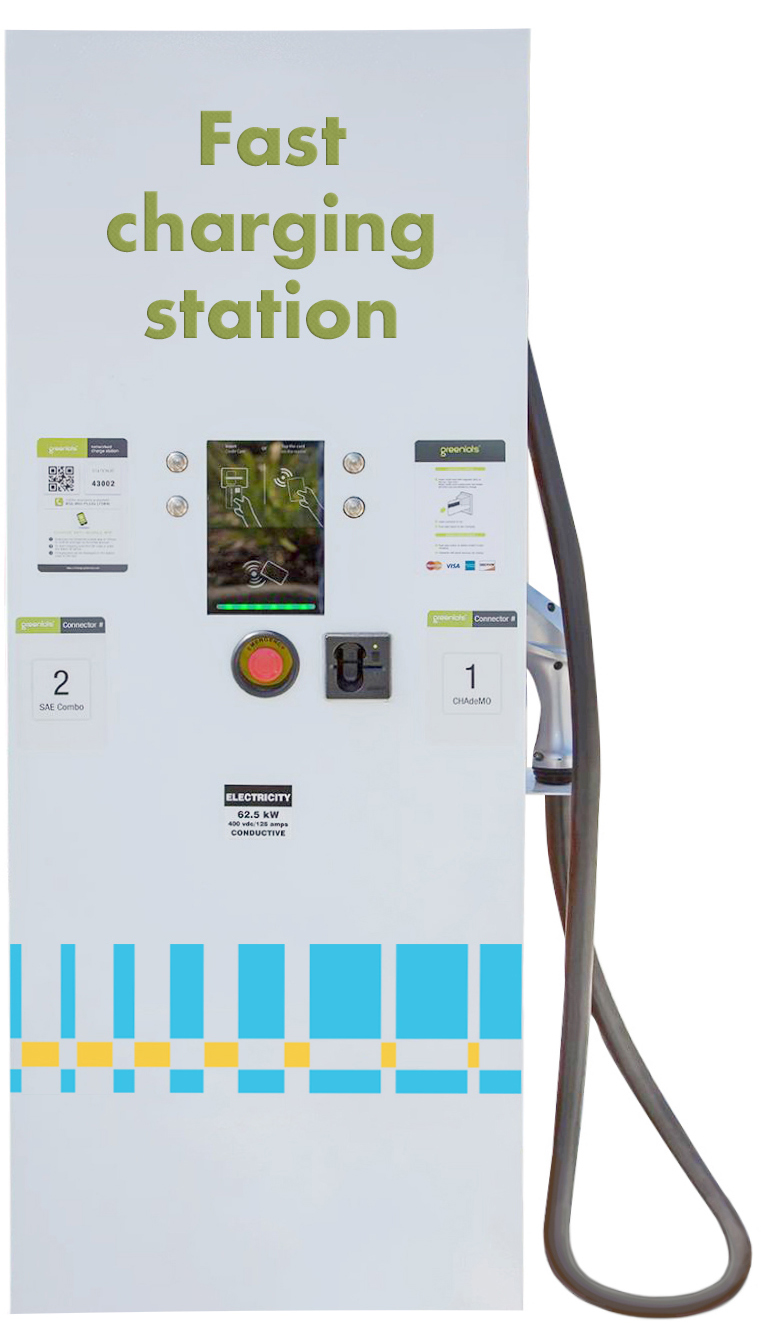 Quick Charge stations are located at major malls, transportation hubs and other high traffic locations.
There are three DCFC standards: CHAdeMO, SAE Combo (CCS) and Tesla Supercharger.
Quick Charge stations are located at major malls, transportation hubs and other high traffic locations.
There are three DCFC standards: CHAdeMO, SAE Combo (CCS) and Tesla Supercharger.
CHAdeMO is an older Asian standard that is no longer being used in new cars for North America.
There are still legacy chargers in the field for cars built with these chargers,
but they’ll be phased out eventually.
Most European and American cars use SAE Combo, also known as CCS. This will be replaced by
the North American Charge Standard (NACS), developed by Tesla, over the next few years.
The legacy chargers will be in the field for many years to support the cars built from 2012-2024
with the CCS standard. A NACS to CCS coupler adapter will eventually be in widespread
use to facilitate the transition.
Tesla cars use the Supercharger network NACS standard. They can use CCS and CHAdeMO with adapters.
All auto manufacturers who sell cars in North America have announced that
they will start using the NACS coupler in their cars starting in the next few years (2025 and beyond).
Many charge stations have two or three of the various connectors, so all cars that
have Quick Charge ports can be charged.
DC Charger rates of charge range from 25kW to 350kW. Currently, most EVs are designed
to charge at various rates ranging from 120kW to 250kW.
Most electric cars will charge from 10% to 80% in 30-45 minutes using DCFC.
Some cars, for example from Tesla, Lucid, Rivian, Hyundai and Kia can charge from 10% to 80% in
about 20-30 minutes.
In a real-world scenario, in many new fast-changing, long-range EVs, it is possible to drive
250 miles, charge for 30-60 minutes, and then drive another 200 miles, where it is likely
you’ll want to charge overnight while you sleep.
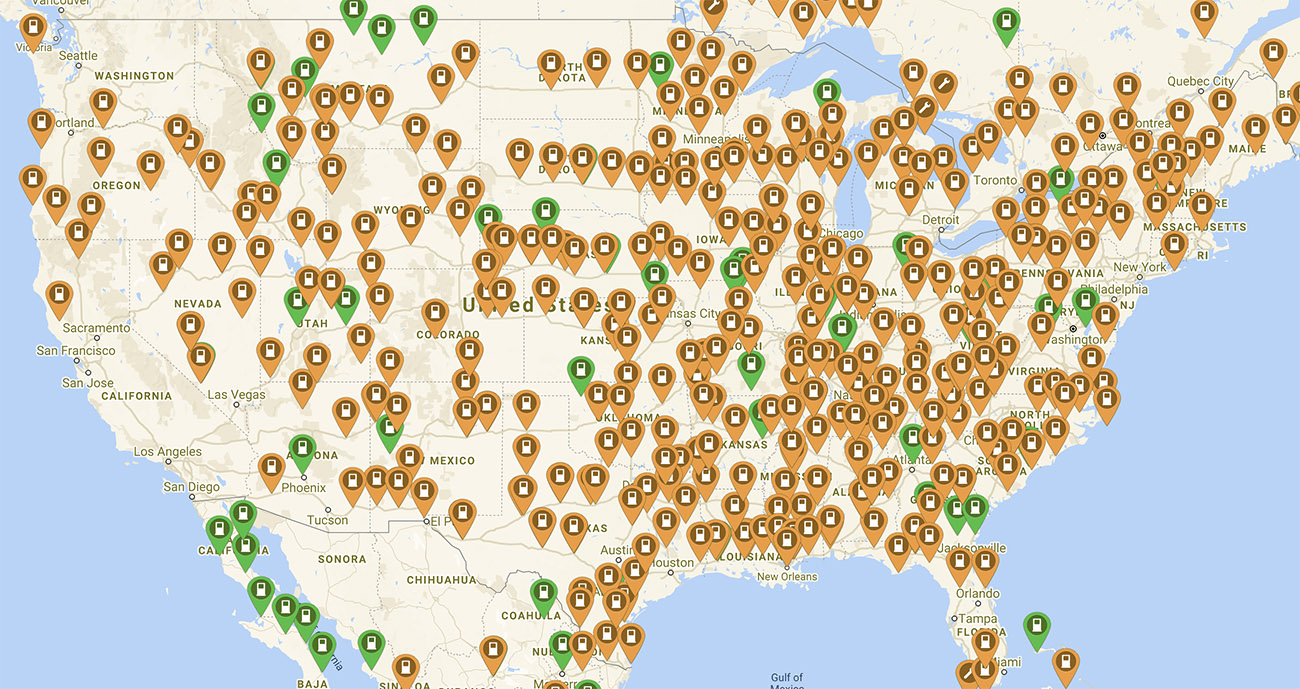
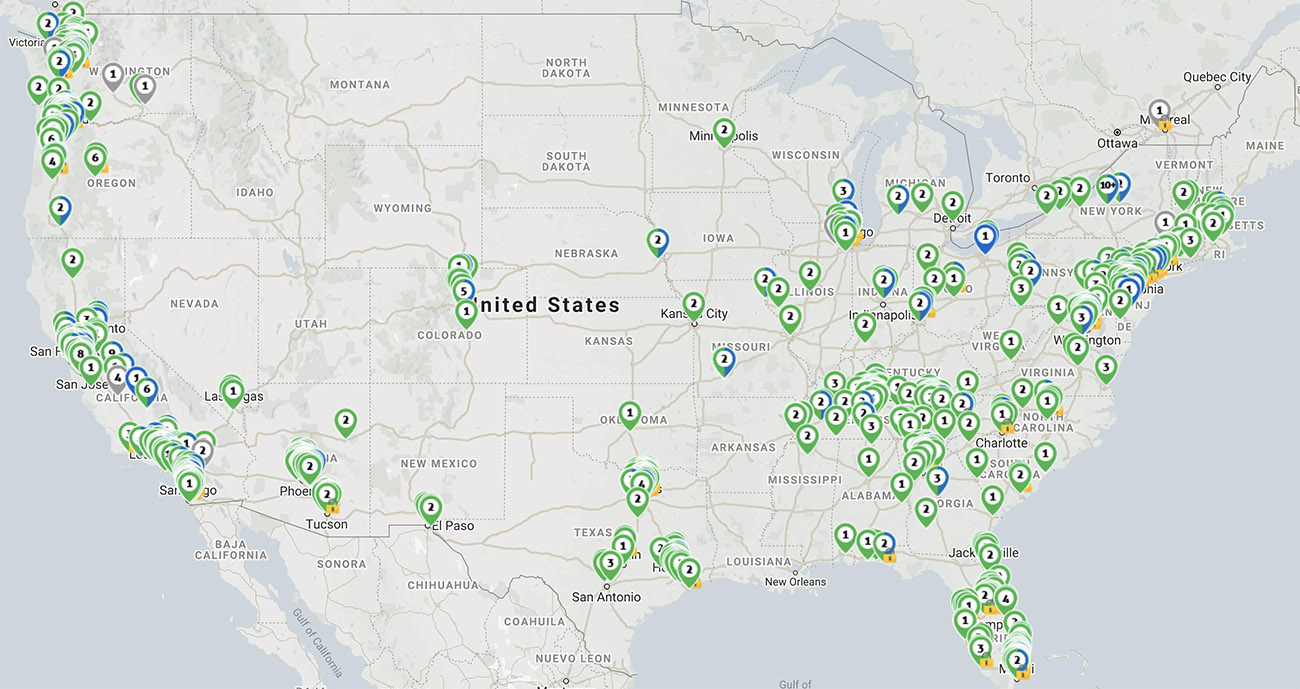
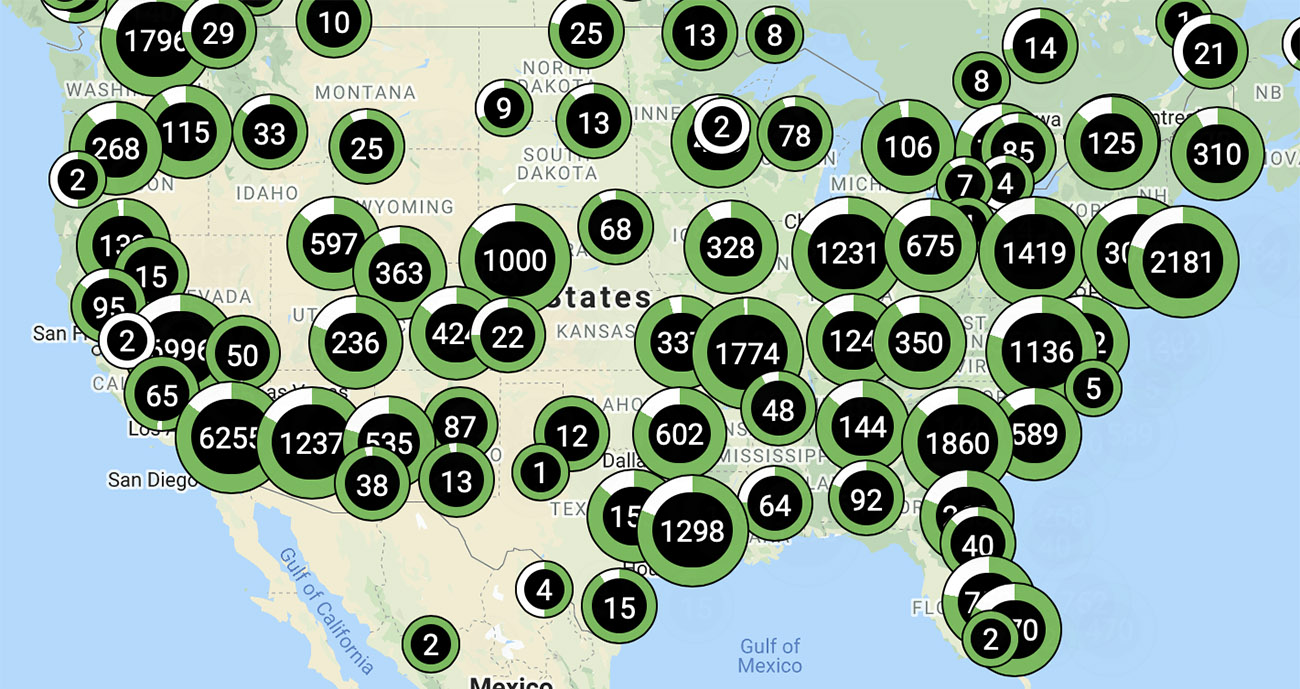
Charging Network Maps
 |
 |
 |
Download the Apps
Plugshare Apple App Store
Plugshare Google Play Store
Chargepoint Apple App Store
Chargepoint Google Play Store
Blink Apple App Store
Blink Google Play Store